Fashion brands and independent workshops are promoting "visible mending," a trend in which repairs are made decorative rather than hidden. The BBC report describes the practice spreading from hobby crafters and community workshops to fast-fashion chains and designer catwalks this year.
Alice Brown, a 27-year-old forest ranger from Lincolnshire, uses needle-felted animals and insects to cover moth holes and stains. She says she sees a hole as a challenge. Jayne Eagle, who runs workshops in Brighton, teaches patching techniques inspired by Japanese Boro and Sashiko methods, using contrasting white or vibrant thread. She describes repair as an "act of rebellion" against fast fashion.
Eagle says the trend took off about six years ago and has grown since. She links the revival to a backlash against overproduction and its pollution, carbon emissions, water use and poor labour conditions. She also says the "throwaway" fast fashion of the 1980s onward led people to lose mending skills.
Retailers are taking part in different ways. Ralph Lauren and Shein sell new garments with stitched or patched designs. Uniqlo offers in-house repairs and decorative Sashiko mending. Uniqlo's head of sustainability, Maria Ledous, says the company wants to help customers extend the life of their clothes. Primark's longevity lead, Vicki Swain, says affordability and durability should not be opposites. Outdoor brand Finisterre says about a fifth of its mends are designed to be eye-catching. Toast says about a third of its customers choose that option.
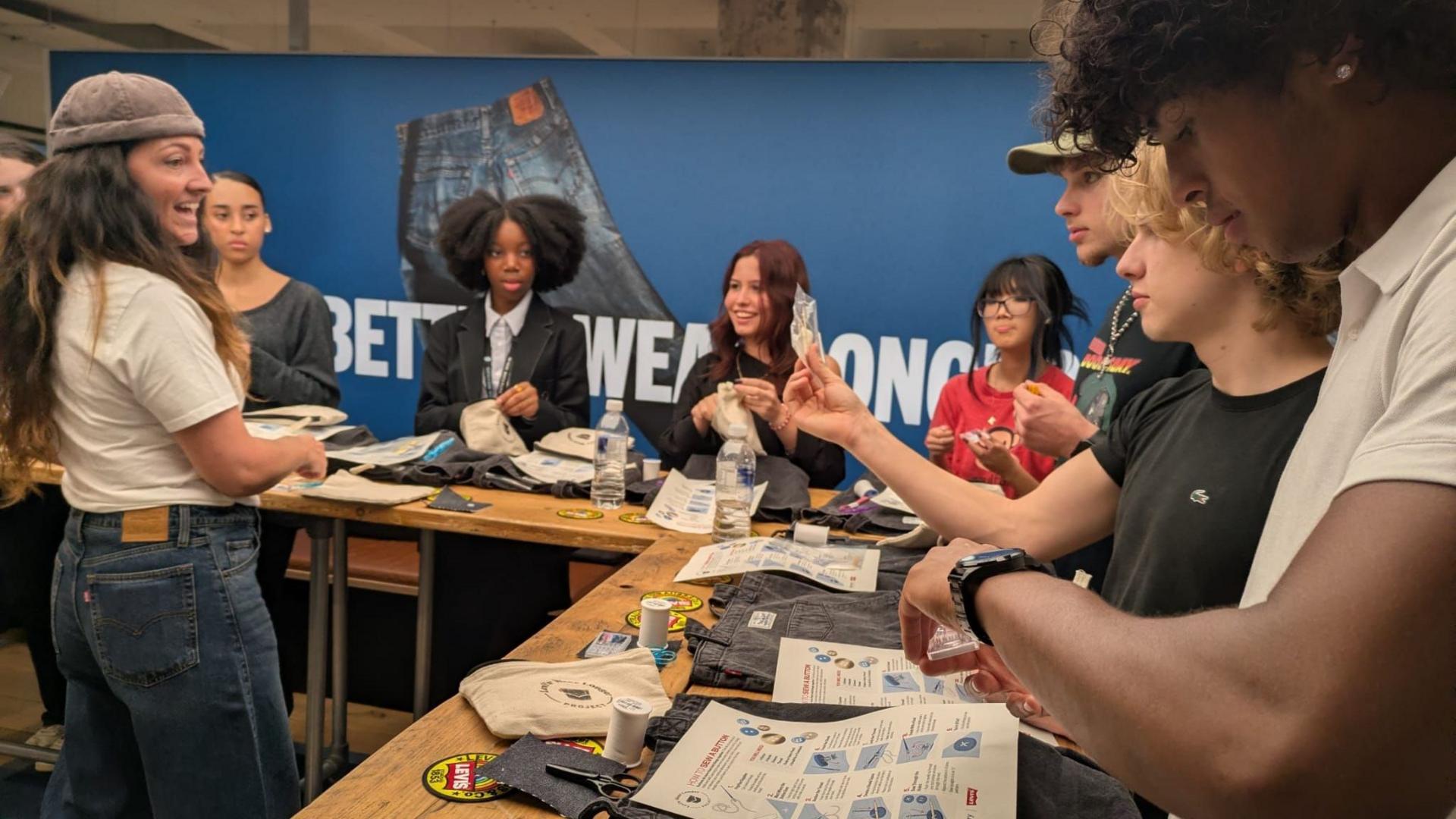
Levi's is rolling out a workshop programme this year. Its recent London launch focused on traditional mending, such as sewing on buttons and hemming, rather than visible repairs. Some younger participants said they would prefer repairs that do not show. Bianca, 16, said holes in clothes can draw mockery, and Nicholas, 19, said most people want to look "fresh." Paul Dillinger, Levi's head of global design innovation, says more creative repairs may appeal to them as they build skills.