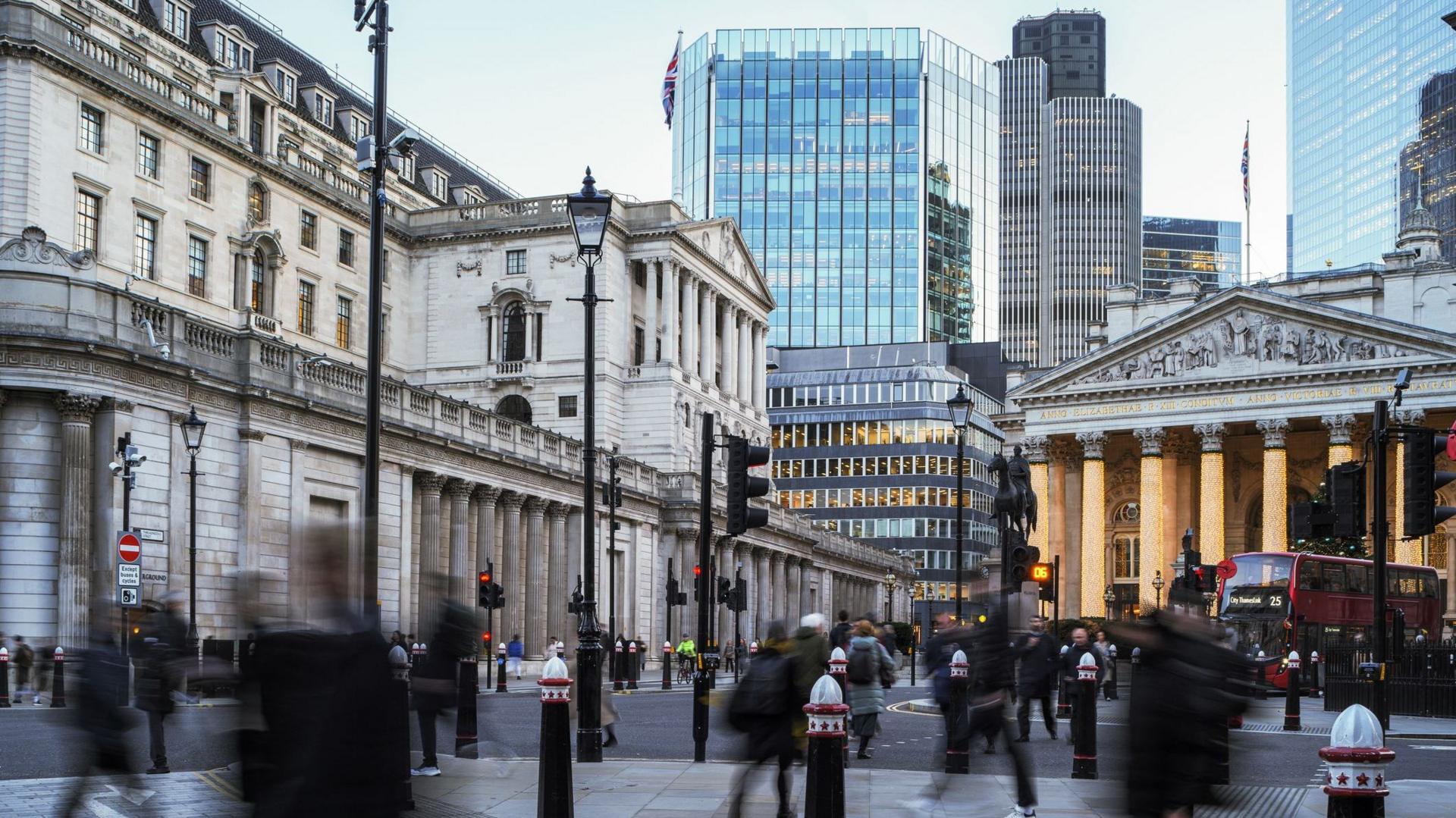
The Bank of England is expected to lift its base rate from 3.75% to 4% on Thursday, the first increase in more than three years. After six meetings with the rate held steady, and a fall from the 2023-24 peak of 5.25%, a modest move upward is defensible. Inflation is heading the wrong way: the Consumer Prices Index reached 3.5% in the year to September 2026, up from 3.1% the month before and well above the 2% target. Left unchecked, that drift would erode the value of everyone's income, savers included.
The cost of that decision will fall unevenly. The report says roughly 510,000 tracker mortgage holders would see an immediate increase, which UK Finance calculates at £31 a month for a typical tracker loan. Around 470,000 variable-rate borrowers would wait for their lenders to act, typically adding £14 a month. Those on fixed deals are not hit today, yet many already face much higher bills. Moneyfacts puts the average two-year fixed rate at 5.96% as of 4 November, and L&C estimates some remortgagers now pay almost £5,000 a year more on a £200,000 loan than those who fixed in 2021.
Households rolling off cheap deals should not be told this is a simple story about one rate decision. Rachel Springall of Moneyfacts is right that the choice between fixing and tracking depends on whether borrowers can absorb further rises. Lenders have already priced in the expected increase, so the Bank's next steps matter as much as Thursday's announcement. Lenders and policymakers alike are judging an economic outlook tied closely to international events, including the ongoing Iran war's effect on energy and fuel costs.
Chris Cheverall of CMC Markets captured the real dilemma: inflation is still too high, while the growth outlook has weakened sharply. The Bank should raise rates by a quarter point if it judges that inflation is the bigger threat, but it should be explicit about the trade-off. Savers may finally see better returns, which is overdue, yet the gain comes at the cost of heavier repayments for borrowers already stretched.
The Bank should also communicate clearly what comes after 4%. Households are braced for a hefty rise in energy prices in January, and they deserve guidance, not just a headline number. A single increase will not settle anything. What matters is whether the Monetary Policy Committee explains its reasoning and shows that it will respond to incoming data rather than repeat the past. Honesty about the path ahead is the least people should expect.