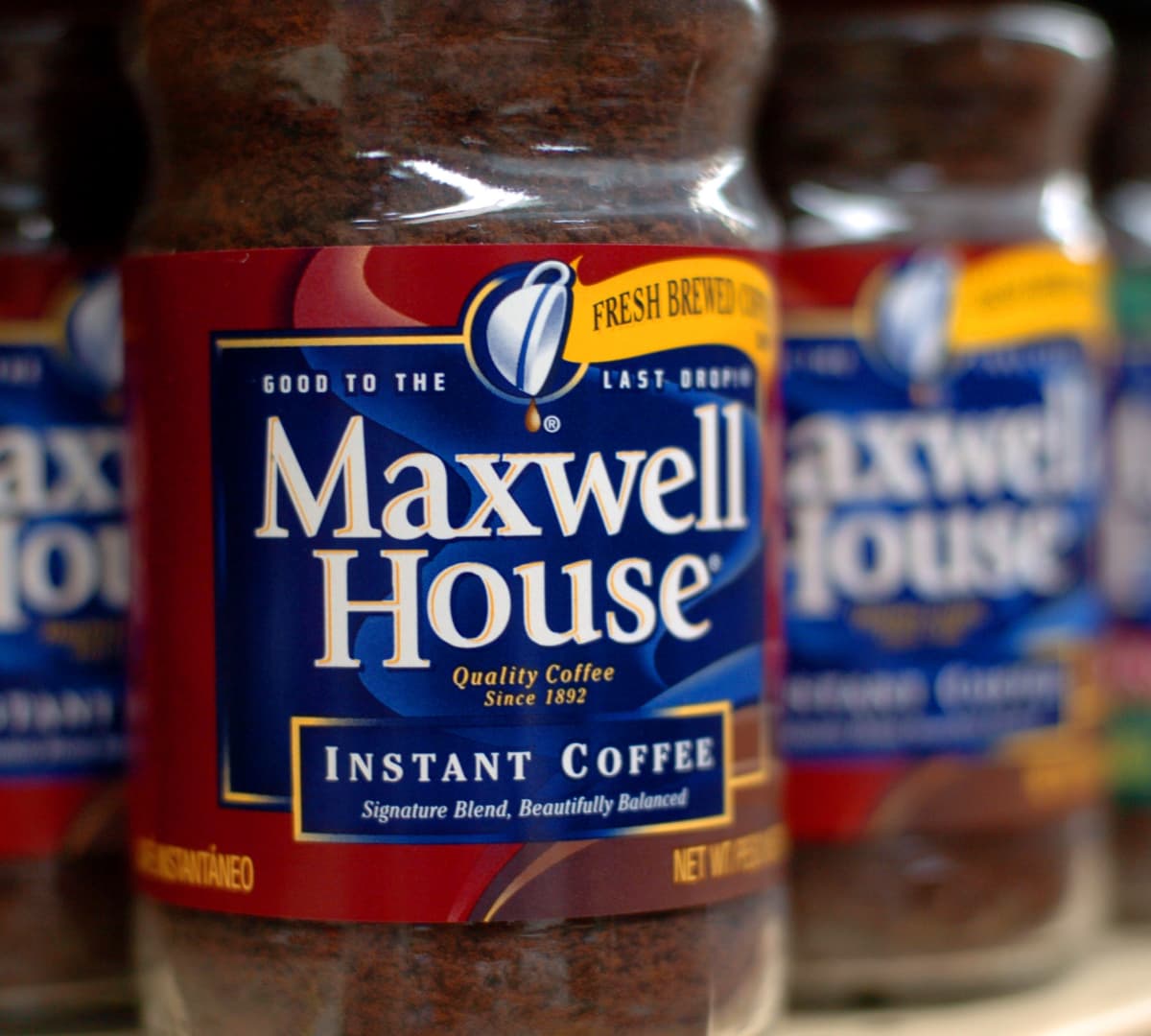
Kraft Heinz has decided that its North American coffee unit is worth more in other hands. The company announced Wednesday that it will divest the business to private equity firm One Rock Capital Partners in a deal valuing it at $650 million on an enterprise basis. The portfolio includes Maxwell House and Gevalia, two names that many American shoppers still recognize. The sale is expected to close in mid-2027.
The logic behind the move is straightforward. Kraft Heinz says it will use the $500 million in post-tax cash proceeds to pay down debt and direct resources toward areas where it can accelerate growth. Keeping a 30% noncontrolling equity stake in the business is a hedge, allowing the company to share in any future upside without carrying the full operating burden. For a company trying to refocus on its core brands, shedding a category that has struggled to command attention is a defensible choice.
Still, the announcement raises questions that the company's upbeat framing does not answer. CEO Steve Cahillane, who joined in January, paused plans to split the company in two, a plan that would have reversed the $46 billion merger from a decade ago. He called the problems Kraft Heinz faces "fixable and within our control." That may be true, but the sale of a legacy brand portfolio is a lever for balance-sheet relief, not proof that the underlying business is healthy. Investors who cheered the 5% share gain on Wednesday morning should note that the company has also invested $700 million back into the business, a sign that the turnaround still requires substantial capital.
The third-quarter results offer a more encouraging signal. Kraft Heinz beat expectations and raised its 2026 outlook, now expecting organic net sales to decline between 0.5% and 1.25%, an improvement over the decrease of as much as 2% it had projected earlier. Cahillane said market share, sales, and volume trends are improving in every region. Those are welcome numbers, but they still describe a company shrinking on an organic basis.
What should happen next is clear. Kraft Heinz should use the debt reduction to make its remaining brands easier to grow, not simply to make the balance sheet look cleaner. Management should report, with equal care, how the portfolio performs once the coffee business is gone. The company has earned some credit for stabilizing its position, but a turnaround will be judged by sustained growth, not by a single sale.