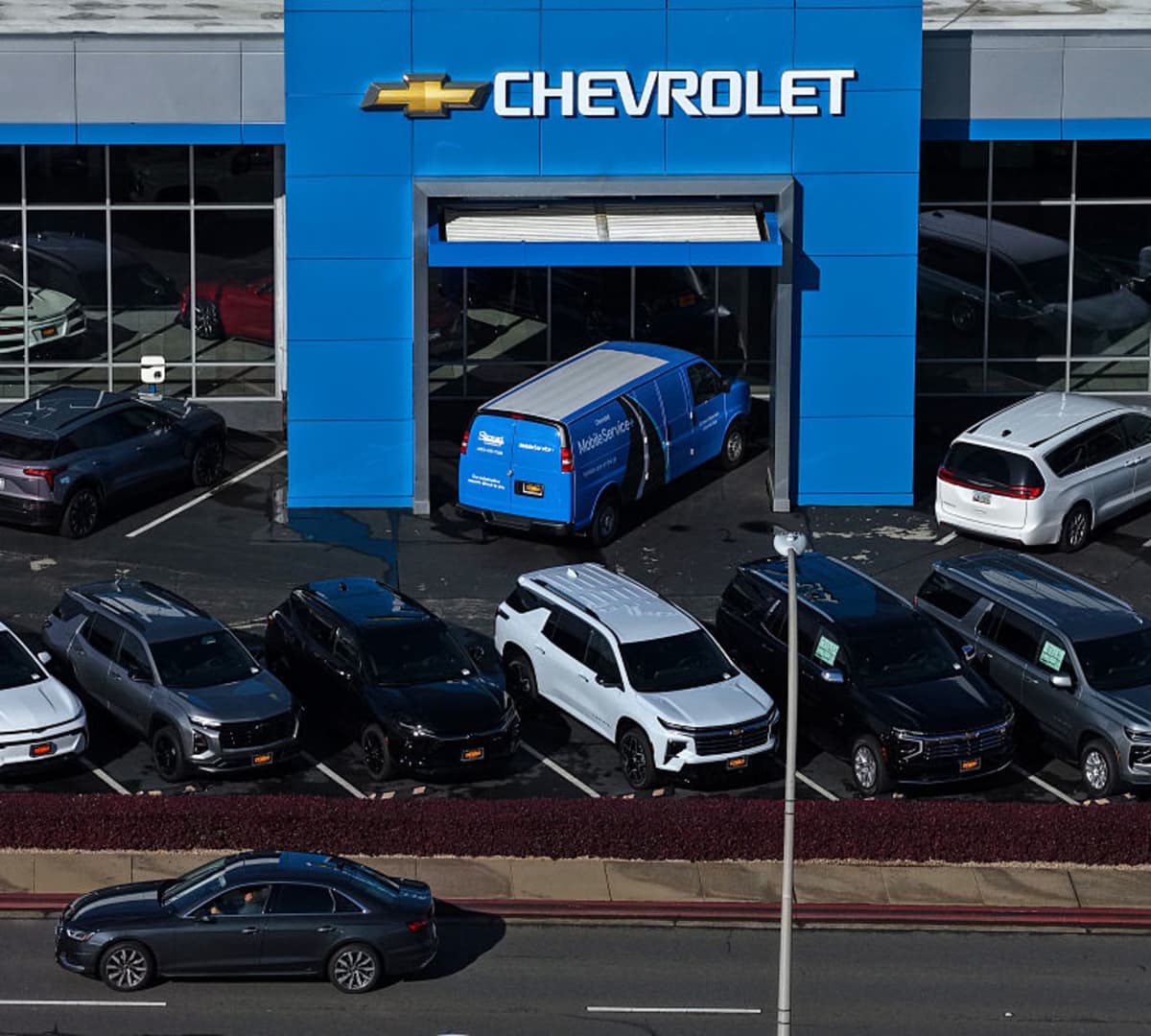
General Motors is trying to win back shoppers who have drifted to online used-car sellers. Its CarBravo program lets Chevrolet, Buick and GMC dealers list certified used vehicles for buyers across the U.S., including cars from other automakers. About 1,615 of GM's 3,700 dealers are enrolled, and the company plans about 250,000 sales through the program in 2026. The strategy is clever, but its success depends on whether it serves the customer or simply moves the customer toward a more profitable sale.
The logic is straightforward. New vehicle sales are generally more profitable for automakers, and dealers earn well from reselling trade-ins. Fitzpatrick said wholesaling a trade-in "doesn't bring nearly the revenue" of selling to a new customer. GM says about 38% of shoppers who start looking for used cars end up buying new, and about 50% of the buyers it has gained through the program appear to be new to the brand. Those are real business gains, and dealers have every reason to pursue them.
The concern is the sales technique described in the report. Fitzpatrick explained that after a customer sees a used F-150 at $500 a month, a dealer can present a new Chevrolet at $510 or $515 a month. Feinseth noted that new cars often come with longer loans, including 84-month terms that hit a record share of loans in the third quarter, according to Edmunds. A small monthly increase can hide a much larger total cost, and a longer loan can leave a buyer owing more than the vehicle is worth for years. Customers deserve a clear comparison of total price, interest and loan length, not just a payment that looks manageable.
There is also a fair argument on the other side. The report notes that certified programs offer inspections, reconditioning, warranties and access to a dealer's service department, and Woelfer said certified buyers return for service at a rate about 18% higher than buyers of non-certified used cars. Toyota told CNBC that about 40% of its used-car shoppers end up buying new. Those figures suggest that relationship-building can benefit shoppers as well as sellers, provided the dealer is transparent about the trade-off.
GM should publish plain total-cost comparisons for every used-versus-new offer its dealers present, and regulators should watch whether loan-term steering becomes common. Shoppers should compare the full loan cost before accepting a higher payment for a newer car. If CarBravo gives buyers reliable certified vehicles and honest pricing, it can be a good program. If it becomes a funnel for longer loans and higher payments, the savings buyers came looking for will disappear.