Engineers and analysts have replicated the conditions that overwhelmed parts of the U.S. air traffic system, according to people familiar with the investigation who spoke to CNBC on condition of anonymity. The replication took place in a lab in Florida.
The investigators have not yet determined why two routers failed. Finding that root cause matters to the Federal Aviation Administration because it will determine whether other routers that form the backbone of the national air transportation network could have the same problem.
The ground stop on Friday lasted more than four hours. The sources said it was the longest halt to U.S. flight departures since 9/11.
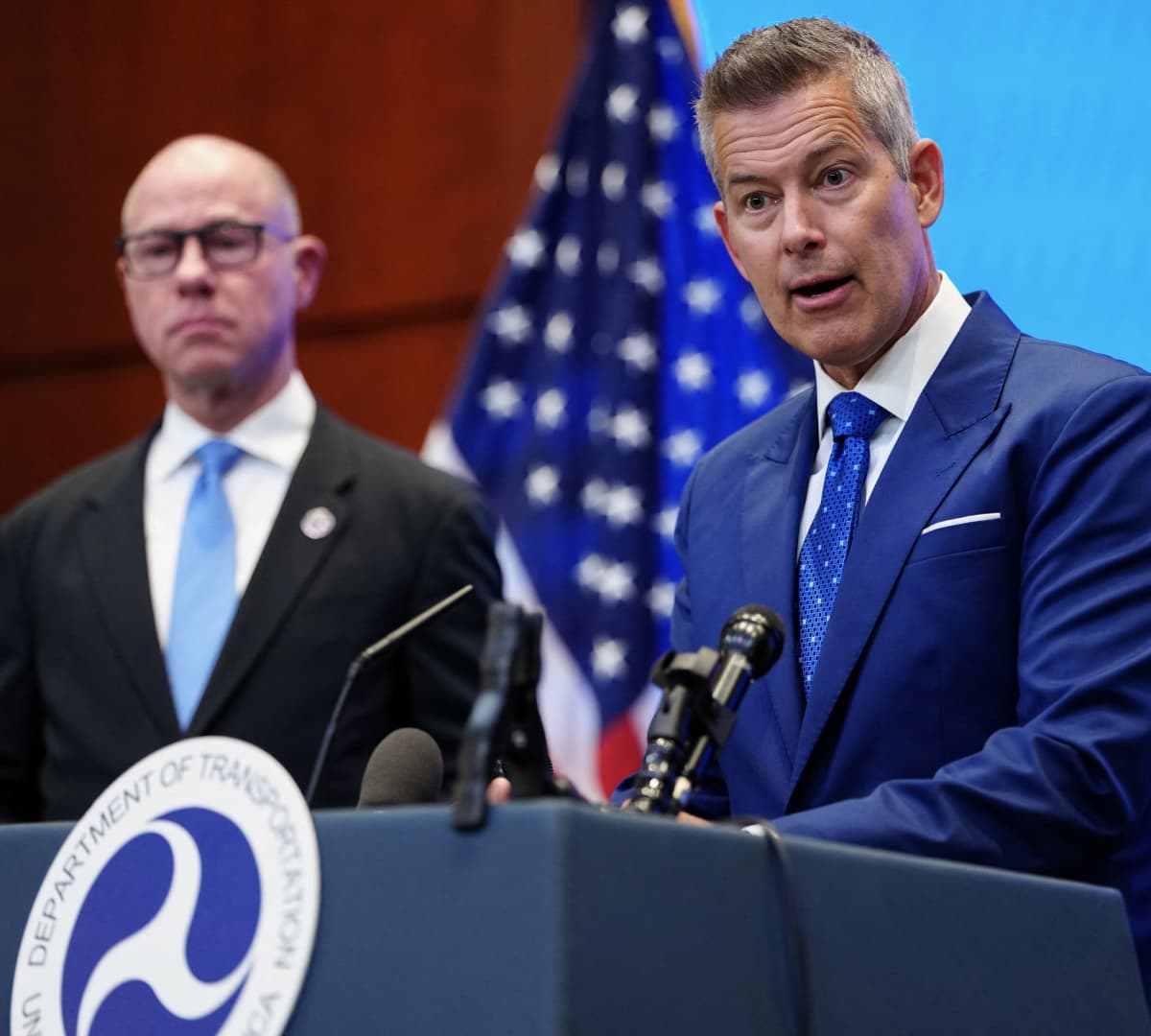
Transportation Secretary Sean Duffy and FAA Administrator Bryan Bedford have said there is no indication the routers failed because of a cyberattack.
The problem followed the installation of a new router by L3Harris Technologies, the primary contractor supporting the FAA telecommunications network, at a facility in El Dorado, Arkansas. Investigators said the router began transmitting too much data within eight minutes of installation. Duffy said the surge, about 1,000 connection attempts every four to five seconds, destabilized aircraft communications and radar feeds.
Duffy has asked Congress for $50 billion to upgrade the national air traffic system, up from the $30 billion he originally requested for a digital network that would incorporate artificial intelligence.