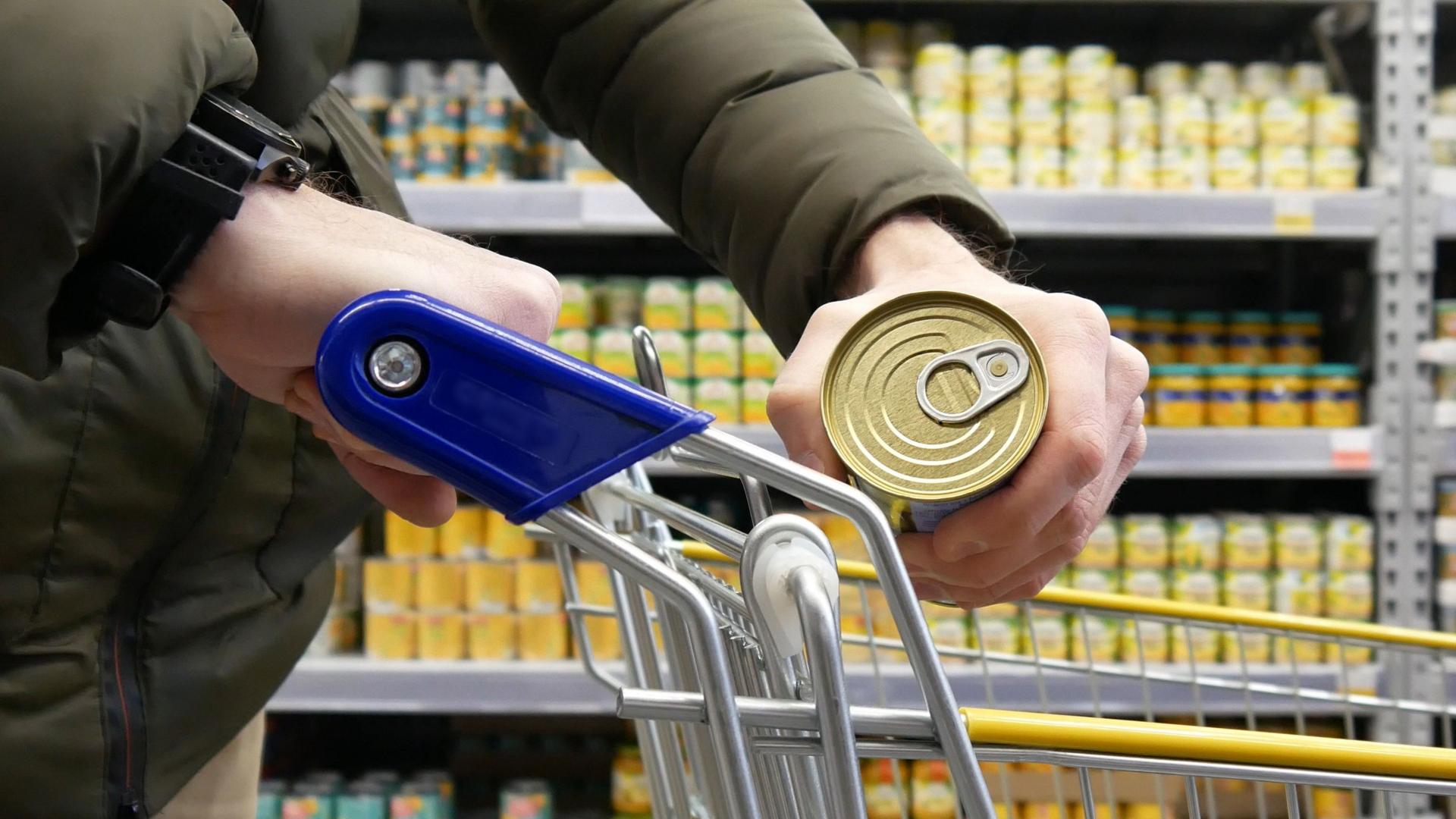
Retail sales rose 0.7% in October, and the Office for National Statistics tied much of that increase to people buying long-life food such as tinned goods and UHT milk. The ONS said supermarkets had told it that the government's 'Be Ready' campaign boosted those sales. That is a clear signal that a public message reached shoppers and changed what they put in their trolleys.
The campaign asked people to keep three days' worth of food and water at home, along with wet wipes, a torch and cash. Those are sensible basics for anyone facing a power cut, severe weather or a cyberattack that disrupts essential services. The trouble is that the report presents the shopping surge as the main story without giving households much sense of the risk behind the advice. A campaign that asks people to stockpile owes them a plain account of what could go wrong and how likely it is.
Separate research cited in the report said households were stockpiling essentials but were not panic buying. Worldpanel by Numerator reported that people were buying tinned meat, bottled water and hand sanitiser. Those two findings can coexist, but they make the public message harder to read. If the government wants people to prepare calmly, it should say so clearly and explain why the preparation is proportionate.
Retailers, meanwhile, are looking ahead to Christmas, the busiest trading period of the year. RSM UK's Jacqui Baker said consumers would soon batten down the hatches as typical energy bills rise by £443 a year from January. That is the real pressure on household budgets, and a preparedness campaign that lands in the same weeks as higher bills risks being read as a cost-of-living warning. Ministers should address that overlap directly rather than leaving shoppers to draw their own conclusions.
My view is that the government should publish the risk assessment behind 'Be Ready' and state which disruptions it covers. People who stock up deserve to know whether they are preparing for a storm, a cyber incident or a wider supply shock. Clear information would help households prepare without fuelling a sense of crisis, and it would give retailers and the public a firmer basis for planning the months ahead.