Disney reported fiscal fourth-quarter earnings and revenue that exceeded analysts' expectations, according to the source, and said it is targeting $3 billion in cost savings by fiscal 2029.
Chief Financial Officer Hugh Johnston told CNBC that the savings effort includes several rounds of layoffs announced in recent months. The most recent round seeks to reduce costs by up to 20%, the report says. Johnston said future savings will come from cuts to administrative and other general expenses. "We do expect more layoffs," he said.
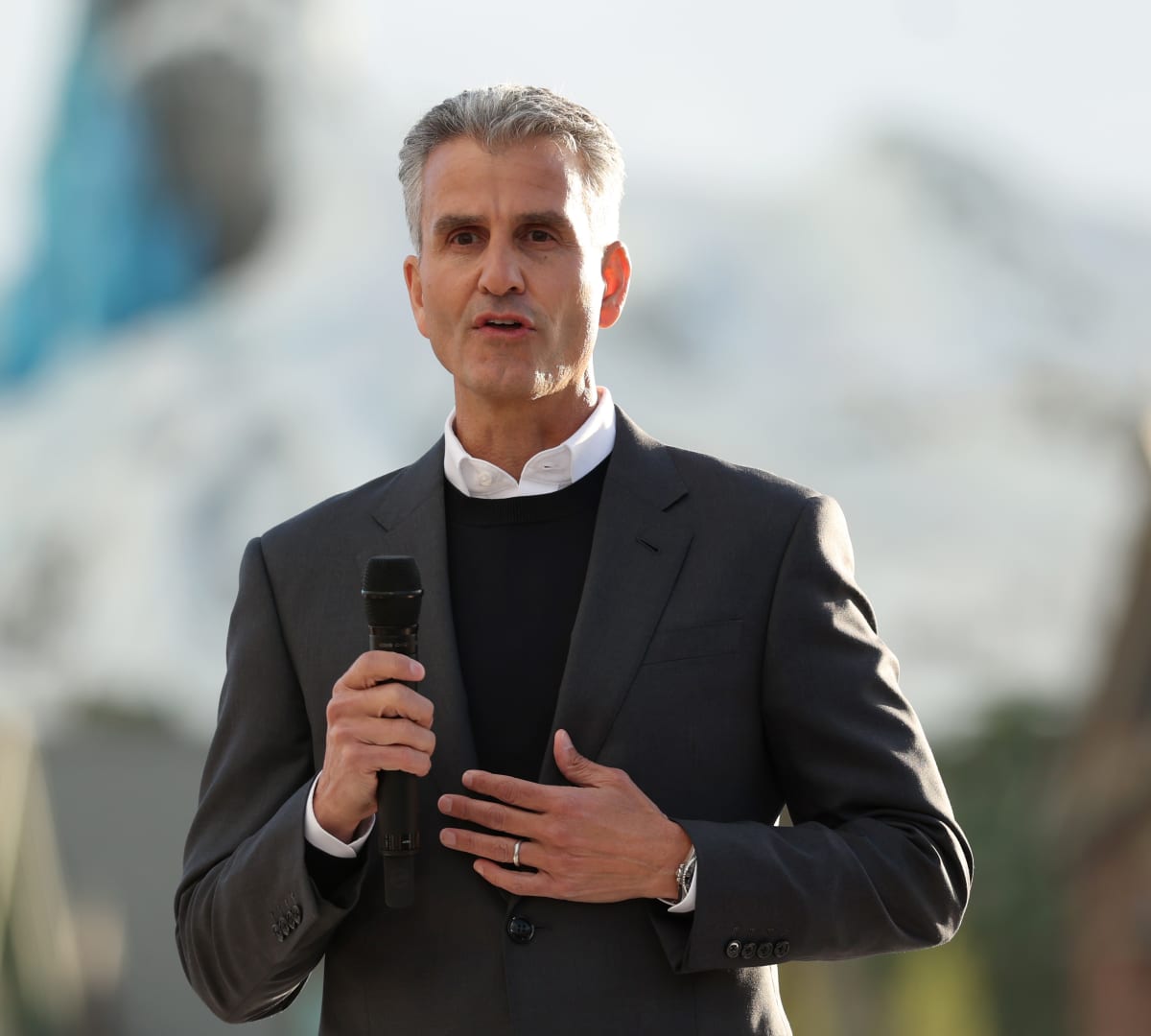
Disney CEO Josh D'Amaro told investors on the earnings call that the job cuts are "not easy." He said, "They affect people who care deeply about Disney and have contributed so much to this company." He added that the steps are "important if we want to be a company that moves faster, adapts to a rapidly changing environment, and keeps investing in the content and technology that will drive our growth."
The company said the cuts will help fund $26 billion in projected content spending for fiscal 2027, a 9% increase from fiscal 2026. Disney forecasts double-digit earnings-per-share growth for fiscal 2027 and segment operating income growth of around 8%. Most of that growth will fall in the first half of the year, Disney said, citing the theatrical release of "Avengers: Doomsday" and the Super Bowl, which will air on ESPN and ABC.
Disney will raise its annual dividend to $2 per share, a 33% increase from the previously declared dividend. The dividend will be paid in two $1 installments, in January and July.
For the quarter ended Oct. 3, Disney reported net income of $2.61 billion, or $1.51 per share, compared with $1.31 billion, or 73 cents per share, a year earlier. Adjusted for one-time items, including severance and restructuring charges, earnings per share were $1.77. Revenue rose 16% year over year.
The experiences segment, which includes theme parks and cruises, reported revenue of nearly $10.11 billion, up 15%. Operating income rose 20% to $2.25 billion. The report notes that the segment benefited from an extra calendar week compared with the prior fiscal year. Johnston said domestic attendance, especially at Walt Disney World in Orlando, is offsetting weaker international attendance. Attendance at the Hong Kong and Shanghai parks remained soft, which Disney attributed to broad economic challenges in those regions.
The entertainment division's revenue rose 17% to $11.89 billion, and operating income nearly doubled to $1.33 billion. Streaming revenue rose 19% to $6.1 billion.
The sports division's revenue rose 16% to $4.61 billion, and operating income rose more than 50% to $1.39 billion, driven by subscription and affiliate fees and higher advertising revenue.