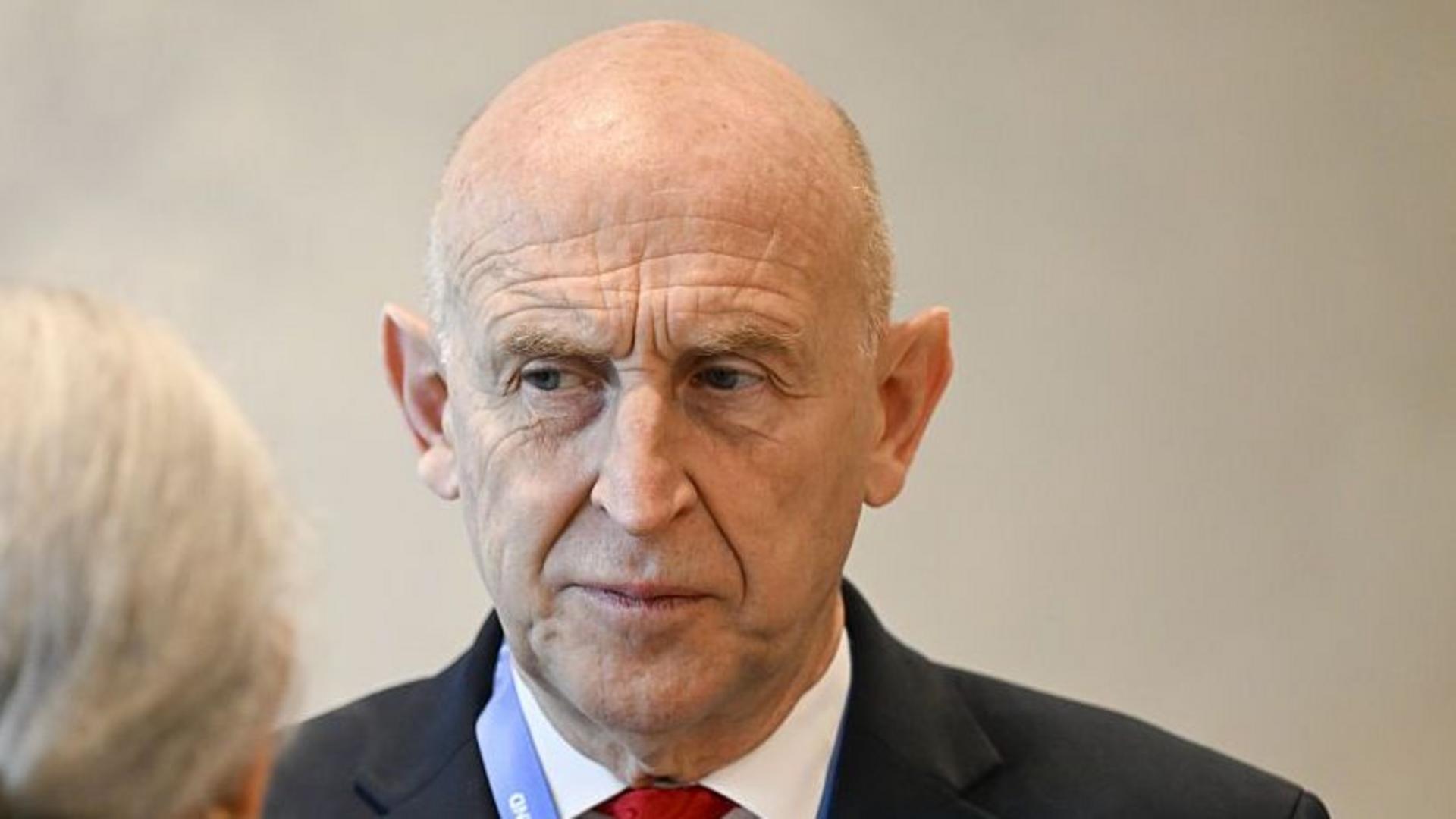
The UK chancellor faces competing pressures as inflation and borrowing figures complicate efforts to balance support for cost-of-living pressures against fiscal restraint, according to BBC Business analysis.
National debt has topped £3 trillion for the first time in official records. Headline inflation hit 3.5% and is expected to rise to 4% in coming months, with Capital Economics forecasting a peak of 4.2% next year. Borrowing is running ahead of forecasts as spending and interest costs climb.
Faisal Islam, BBC Business editor, notes that inflation increases stemming from energy prices show signs of becoming embedded. Airfare and computer game download prices suggest "stickier forms of price pressure," indicating price rises may not be temporary. The Bank of England's focus on services inflation and core inflation makes an interest rate rise next month more likely, Islam writes.
The inflation figure carries immediate budgetary consequences. By law, welfare payments including personal independence payment and carer's allowance must rise in line with September's consumer price index. The State Pension will increase by 3.9% next April under the Triple Lock.
Higher inflation at frozen tax thresholds will raise more tax revenue in cash terms but will simultaneously increase public service costs, likely driving union pay demands. Food price inflation remains largely unaffected by energy shocks, providing limited relief.
UK borrowing costs have risen alongside most advanced economies as geopolitical tensions escalate. Islam notes that while the borrowing cost gap with other G7 nations has narrowed slightly and the IMF praised the government's pencilled-in borrowing reduction plans, these offered a platform for the chancellor's Budget strategy.
Chancellor John Healey announced new North Sea energy approvals in Scotland as these figures emerged. Islam writes that the Jackdaw gas field decision, seen as a "pro growth" pre-Budget announcement, sends a directional message but will not resolve the fundamental trade-off between providing cost-of-living relief and delivering a Budget that convinces markets and investors.
The latest economic data illustrate the difficulty of actually delivering that balance in the chancellor's forthcoming statement.