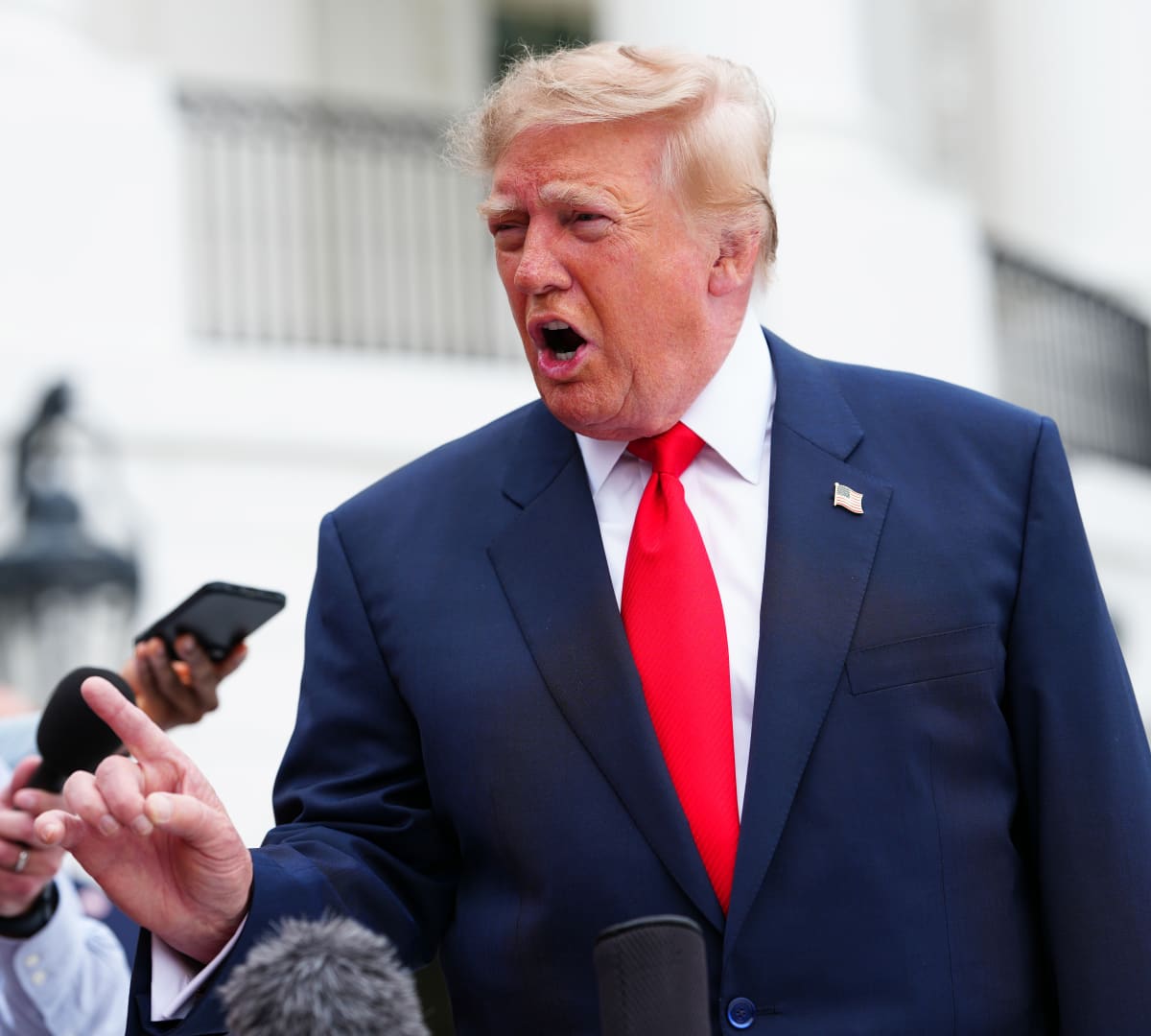
President Donald Trump spent Tuesday night on Truth Social attacking Fox News, the network he has long championed, while Democratic wins rolled in during a midterm election. He said the network "bears responsibility for these losses by constantly and consistently putting on the Dumocrat opposition." It is a striking charge to level at the outlet that has most consistently amplified his own message, and it deserves a closer look than the post itself gives it.
Trump's argument rests on Fox's ratings. He wrote that they are "way down (27%!)" and blamed coverage of "Trump Deranged Dumocrats" for driving viewers away. The network's own figures do show a decline: 1.1 million average viewers for October, down about 27% from a year earlier. But Fox Corp. CEO Lachlan Murdoch offered a different explanation on Monday's earnings call, citing "viewer fatigue" and saying the viewers were not switching to rival channels. He said they were "just fatigued and watching slightly less television overall." Trump's post is not evidence for his explanation. It is a claim that the audience left for reasons he prefers.
The competitive picture also cuts against the president's framing. MS NOW reported 588,000 average viewers in October and CNN 402,000, according to Nielsen data cited by Fox. Both still trailed Fox, and Murdoch's point that the audience did not simply move elsewhere is consistent with those numbers. Whatever the cause of the slide, a network that still draws the largest average audience in its category is not a station that has lost its relevance.
The wider point is about accountability. Trump has repeatedly attacked NBC and ABC, and his relationship with Fox has been far friendlier. Turning on a favored outlet after a bad night suggests the criticism follows the results rather than any consistent view of coverage quality. Fox's own report also showed revenue of $4.57 billion for its fiscal first quarter, up 22%, with advertising up 47%, helped by political advertising and the FIFA Men's World Cup. A network with those financials is not in collapse, and blaming it for the vote is a way of avoiding harder questions about the party's message.
Republicans who lost seats in Texas, South Carolina and Kansas should examine their own campaigns before assigning blame to a cable channel. Fox News did not respond to a request for comment, and nothing in the record shows that its coverage decided these races. The next step for the party is to explain what voters rejected, not to pick a fight with the network that has carried its message for years.