Restaurant executives have spent two years talking about value, and the report shows that the word often meant discounts and one-off promotions. Now chains are turning back to the kitchen, promising juicier chicken tenders, revamped sauces and a richer, creamier Frosty. That shift is overdue, and it is the right bet for an industry whose diners have grown more selective about where they eat.
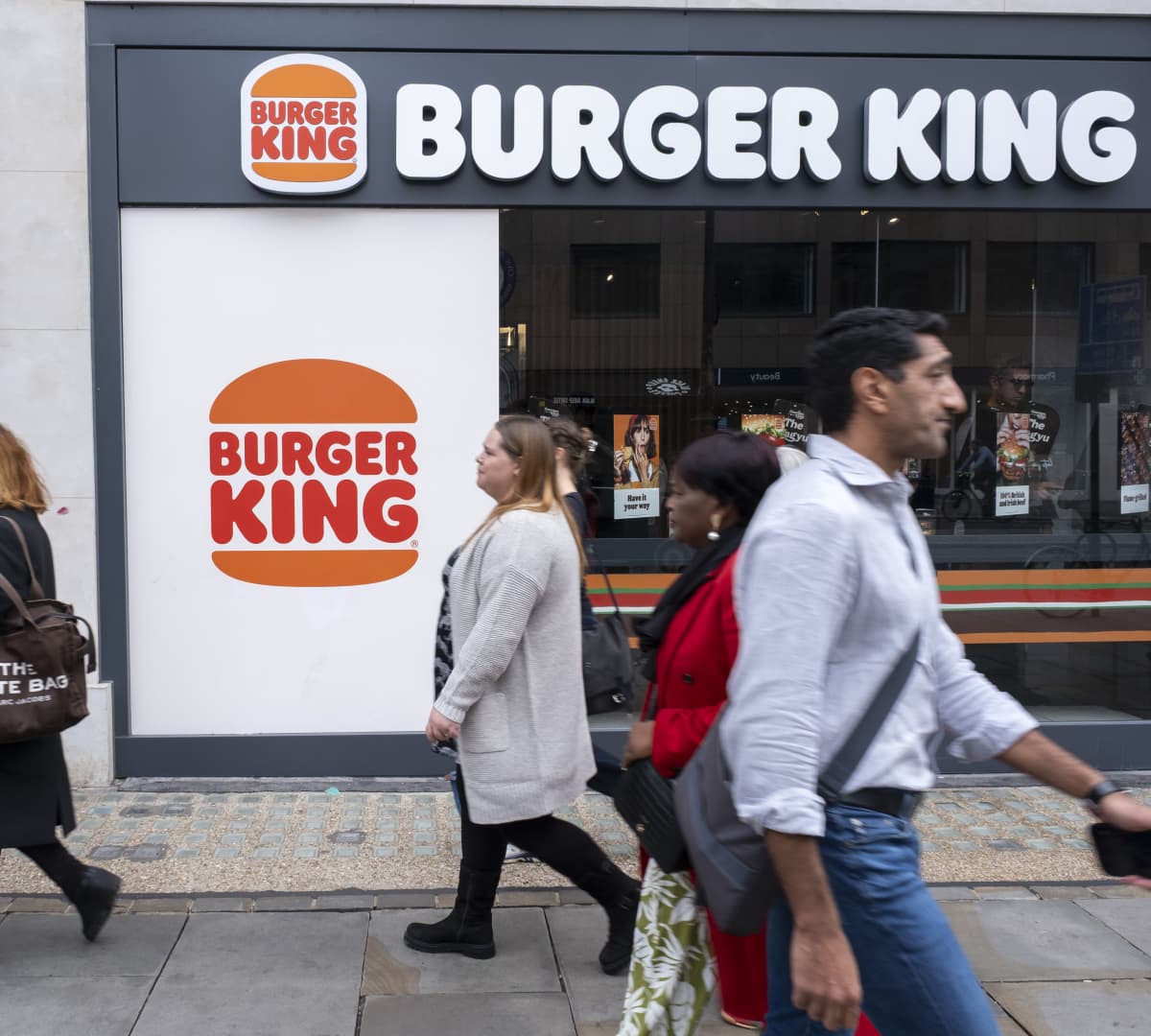
The evidence for this approach is real but limited. Burger King reported that Whopper sales rose by a double-digit percentage in the third quarter and that nugget sales climbed more than 35% after its changes, while its U.S. same-store sales jumped 8.4%. Domino's, the report notes, saw U.S. same-store sales growth of 9.9% the year after its 2009 recipe overhaul. Those are strong results, but they come from company figures and a single well-known precedent, so investors should judge them over several quarters rather than one earnings call.
The more persuasive part of the story is that better food can be the foundation of a turnaround, not a substitute for one. Wendy's ties its own plan to quality, yet it also reported a seventh straight quarter of same-store sales declines and rejected a $1.4 billion takeover bid. A tastier Frosty does not answer every problem a company faces. McDonald's, whose U.S. same-store sales fell 0.2% in the third quarter after its value strategy fell short, shows that even a giant needs more than a new menu item.
The report also makes a point that deserves more attention: the product means little if execution slips. McDonald's "Make It Golden" training program for employees and franchisees is the kind of unglamorous work that determines whether a recipe tastes the same in a crowded kitchen at lunch rush as it did in a test market. Chains should measure consistency, not just launch buzz, and report those results with the same care they give sales figures.
What should happen next is simple. Chains should keep investing in the food, publish clear evidence of what changed and how customers responded, and stop treating discounts as a shortcut to loyalty. Diners are paying attention to taste, and the companies that earn their repeat visits will be the ones that deliver the same good meal every time.